
Bridging Stations and Trailheads with Seamless Steps and Shuttles
Today we dive into Closing the Gap: Shuttles and Walkable Links from Stations to Trailheads, exploring how simple, human‑scaled paths and reliable shuttle connections transform a train arrival into an easy, memorable start for outdoor adventures. Expect practical strategies, lively stories, measurable benefits, and ways you can advocate locally. Share your station‑to‑trail ideas in the comments, subscribe for updates, and help reshape access so more people step from platforms onto dirt with confidence and delight.
Why First–Last–Mile Links Shape Outdoor Access
The journey does not begin at the trailhead; it starts the moment someone steps off a train or bus. When walking routes feel obvious, safe, and pleasant, and when shuttles are dependable, people choose greener travel, parking pressure drops, and nature feels closer. These links expand access for families, older adults, visitors, and new hikers, building equity as well as enthusiasm. Tell us how you currently bridge that final stretch, and what would make your own station‑to‑trail transition smoother.



Safe Crossings and Slow Intersections

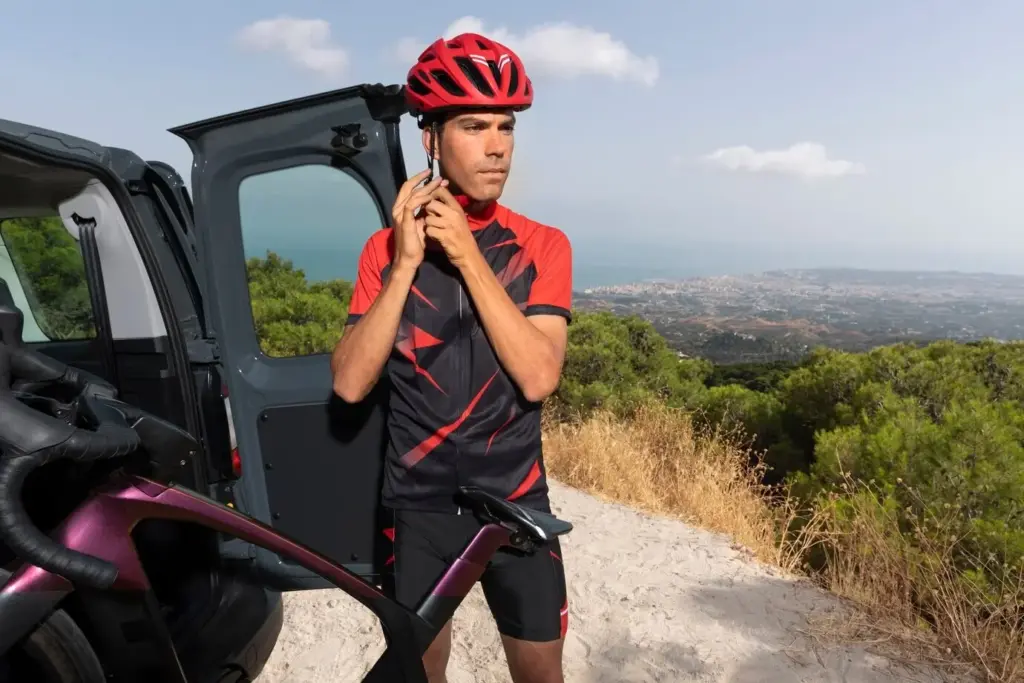
The most dangerous moments are often within the first two blocks from a station. Raised crosswalks, daylighted corners, leading pedestrian intervals, and median refuges can radically change comfort. Add curb extensions, high‑visibility markings, and protected intersections where bikes share the approach. Use context‑sensitive speed limits and gateway treatments that cue drivers they are entering a walking priority zone. Which intersections near your station need taming first? Share a map or photo and we will discuss practical, low‑cost fixes.
Wayfinding that Guides Without Clutter
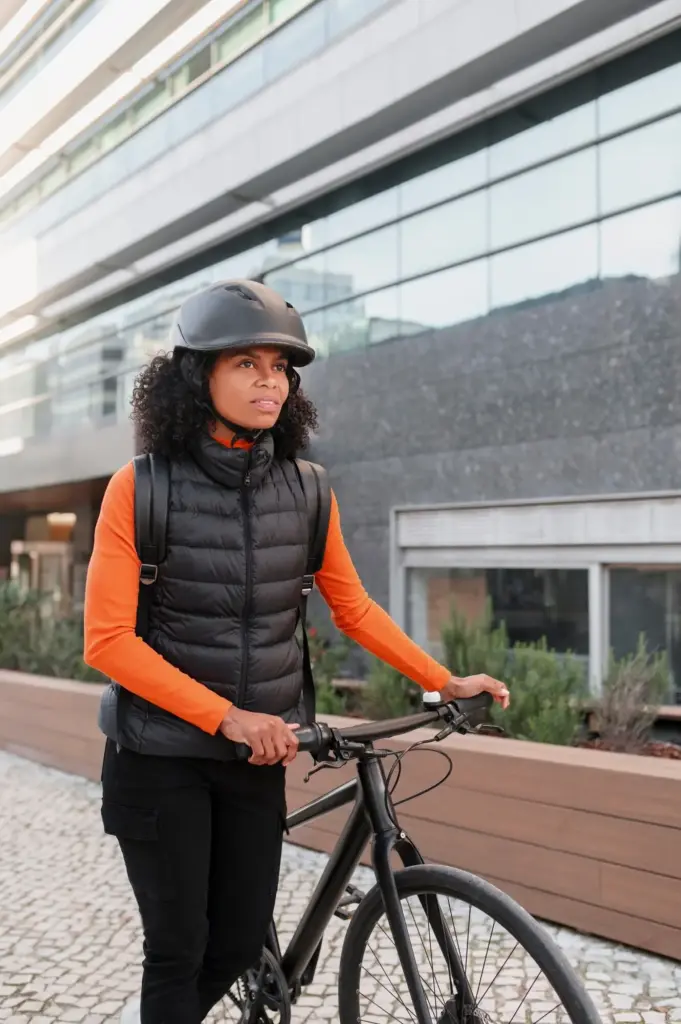
Clever wayfinding reduces friction and questions. Combine ground stencils, totems, and simple sightline markers so the next cue is always visible. Provide distance, estimated time, gradient, and shuttle frequency at key decision points, with icons for restrooms and water. QR codes can open maps with live service updates. Keep designs consistent from platform to trail kiosk. What message or symbol would reassure you most when unfamiliar with an area? Suggest ideas and we will prototype visual language examples.
Comfort: Shade, Water, Rest, and Views
People walk farther when the journey feels pleasant. Plant shade trees where crowds queue, add drinking fountains or bottle fillers, and place benches at intervals aligned with universal design guidance. Integrate public art and glimpses of landscape to build anticipation. Consider wind protection in shoulder seasons and snow management for winter access. What comfort upgrade would most improve your nearest link? Share your priority—shade, seating, water, or lighting—and we will gather examples with cost and maintenance tips.
On‑Demand Microtransit from the Platform
App‑based or call‑center microtransit can bridge irregular demand without empty buses circling. Geo‑fence the station, set virtual stops, and offer simple fares integrated with rail passes. Prioritize wheelchair‑accessible vehicles and multilingual interfaces. Publish pickup windows and provide platform ambassadors during launch weeks. Do you prefer reserving before boarding your train or after arrival? Share habits and we will outline scheduling rules that cut wait times while maximizing shared rides and keeping drivers supported during peak surges.
Seasonal Peaks, Shoulder Solutions

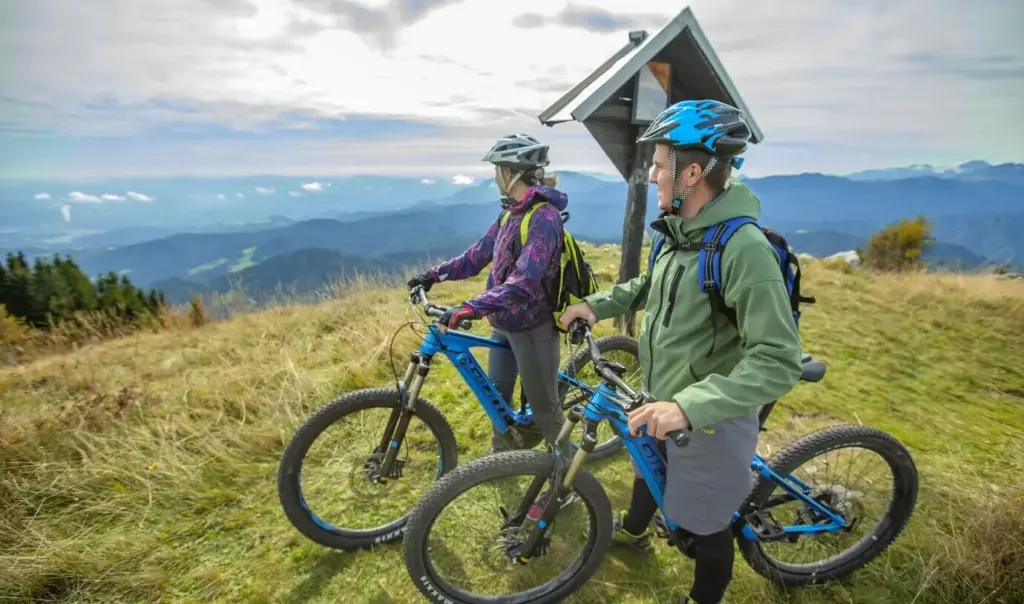
Nature’s calendar drives demand spikes. Summer weekends and foliage season invite fixed high‑frequency shuttles with overflow vehicles staged nearby. Shoulder periods benefit from smaller vans, demand‑responsive loops, or bike‑friendly vehicles. Weather contingencies, detours, and wildfire smoke plans should be pre‑scripted. Communicate clearly when service changes. What is the biggest seasonal pain point near your trails—parking overflow, unpredictability, or crowding onboard? Tell us, and we will compile scheduling patterns and fleet mixes proven in similar landscapes.
Pricing and Boarding that Keep Lines Moving
Simple payment keeps energy positive. Accept contactless cards and mobile wallets, honor transfers from rail, and cap fares daily so families are never surprised. Encourage off‑peak travel with gentle discounts. Use all‑door boarding where safe, and place ticket validators before queues begin. Clear signs reduce questions at the curb. How do you prefer to pay on quick trips—transit card, phone, or prepaid pass? Share your approach and we will surface case studies showing faster boarding and happier riders.
Partnerships, Policies, and Funding
Seamless connections require agencies that do not normally collaborate to act as one: transit operators, parks departments, trail stewards, tourism boards, and small businesses. Memoranda of understanding clarify responsibilities; joint branding reduces confusion. Funding blends grants, sponsorships, user fees, and in‑kind maintenance. Success grows when metrics, data sharing, and stewardship programs are established early. Which partner in your area holds the missing key—permissions, dollars, or local goodwill? Nominate them, and we will suggest outreach scripts and timelines.

Agreements that Align Schedules and Responsibilities
Riders feel every seam between organizations. Service plans should be co‑authored, with rail timetables driving first departures and last returns. Define snow removal, restroom upkeep, wayfinding ownership, and real‑time data responsibilities in writing. Create a single feedback channel that routes issues correctly behind the scenes. What small coordination failure have you noticed—signage mismatches, unlit paths, or conflicting maps? Share examples and we will outline clauses and checklists that prevent those headaches before operations begin.

Funding: Grants, Sponsors, and User Fees
Durable service needs diverse revenue. Blend federal or national active transportation grants with conservation funds, tourism support, and modest fares that cap spending for frequent visitors. One‑time infrastructure grants can build paths; recurring sponsorships can underwrite operations and wayfinding upkeep. Publish transparent budgets so partners see returns: fewer parking conflicts, safer streets, happier visitors. What funding source feels most within reach for your community? Tell us, and we will map possible pairings and application calendars you can pursue.
Maintenance and Operations After the Ribbon Cut
The quiet hero is maintenance. Clear vegetation, refresh paint, fix signs, and keep QR codes working. Schedule seasonal audits with community volunteers, trail groups, and operators walking the link together. Use simple service standards: maximum response times, minimum light levels, and path width thresholds. What recurring issue erodes trust in your area—muddy shortcuts, broken lights, or missing maps? Report it, and we will share maintenance playbooks and shared dashboards that keep small issues from becoming barriers.
Seattle’s Trailhead Direct Lessons
Launching seasonally, King County Metro’s Trailhead Direct tested routes from city stations to popular trailheads like Mount Si, pairing frequent weekend service with clear wayfinding. Early feedback shaped stop locations, capacity, and bike policies. Marketing emphasized stress‑free trips and equitable access. Key takeaway: align departures with rail arrivals and publish simple schedules riders can memorize. Which lesson could your region copy first—branding, signage, or seasonal spans? Tell us, and we will distill a starter checklist that fits your terrain.
Switzerland’s Station‑to‑Trail Culture
Swiss rail timetables knit perfectly with PostBus links, and yellow Wanderweg signs deliver walkers from platforms to alpine paths with reassuring consistency. Clear maps, dependable frequencies, and sheltered stops build trust across weather and seasons. Even small villages benefit through tourism without overwhelming parking lots. Consider synchronized pulses and unbroken wayfinding lines. Which reliability feature—clockface schedules, coordinated transfers, or universal signage—would move the needle where you live? Share priorities and we will outline steps appropriate for your network’s scale.
Chiltern Hills Walks from the Platform
Stations like Wendover and Tring sit close to public footpaths that flow into gentle countryside, proving that proximity plus signage creates effortless experiences. Simple fingerposts, stile maintenance, and local maps make it feel normal to walk out of the station and keep going. Imagine similar cues at your stop: a map board, a painted arrow, and a promise of beauty ahead. What would it take locally—permissions, volunteers, or small funds? Let us know and we will compile action ideas.
Stories from the Field
Real places prove what works. Seattle’s Trailhead Direct links light rail and buses to beloved hikes, easing parking stress in the Cascades. In Switzerland, train‑to‑trail culture thrives with synchronized timetables and PostBus connections. In England’s Chiltern Hills, public footpaths begin steps from stations. These stories show design, policy, and operations aligning. Which example resonates with your context—urban edges, alpine valleys, or rolling countryside? Share your situation and we will gather tailored patterns you can adapt quickly.
Real‑Time Information that Builds Trust
Trust grows when clocks are honest. Show predicted departures, crowding levels, bike capacity, and seat availability. Mirror information across signs, apps, and platform speakers so no one must guess. Provide offline maps for low‑signal valleys. Announce service changes early and often. If you could see just one extra data point before committing to a hike, what would it be—travel time, vehicle fullness, or trail closures? Share it and we will explore lightweight ways to display that clearly.
Data Loops for Continuous Improvement
Collect only what you need and act on it. Combine ridership counts, path sensors, and quick rider surveys to learn where people hesitate or divert. Compare rail arrivals with shuttle departures and adjust dwell times. Publish summaries so the community sees progress. Start with pilot metrics, then grow. What simple measurement could you start next weekend—a manual count, a intercept survey, or a heat map from anonymized traces? Tell us and we will sketch practical methods and templates.
Invite the Community into the Design
People who walk the path daily know its secrets. Host station walks with trail stewards, invite families, seniors, and new hikers, and listen for the small frictions: a confusing corner, a missing ramp, a dark patch. Co‑design signage and test prototypes in place. Celebrate quick fixes, then iterate. How would you like to participate—sharing photos, mapping desire lines, or joining a walk audit? Comment below, subscribe for updates, and help shape connections that truly serve everyone.